


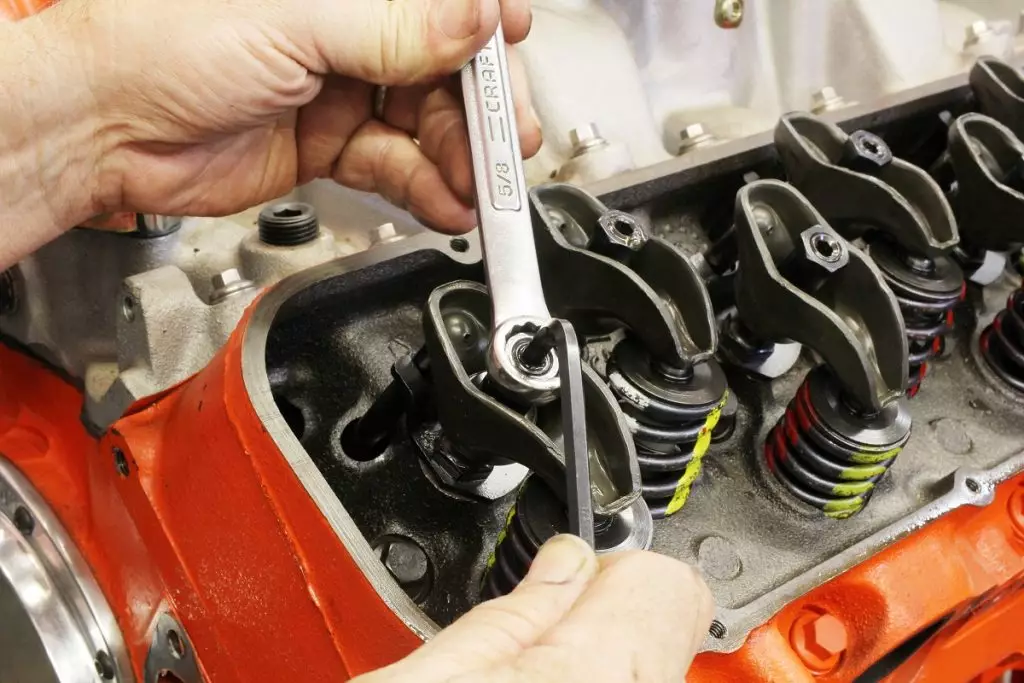
Adjusting the valves on an internal combustion engine is a maintenance task that is essential for keeping the engine running smoothly and efficiently. Valves are mechanical components that control the flow of air and fuel into the engine’s combustion chamber.
Valve adjustment is typically made as part of a routine maintenance schedule, but it may also be necessary if you experience problems such as engine misfiring or poor performance. It is a relatively simple task that can be performed with basic tools, but it does require some knowledge and experience.
Why Valve Adjust Matters?
Adjusting the valves is important for several reasons:
Proper valve timing is essential for the engine to run smoothly and efficiently. Suppose the valves are not opening and closing at the right time. In that case, the engine may experience problems such as misfiring or poor performance.
Correct valve clearance is necessary to ensure that the valves are able to move freely and open and close properly. If the clearance is too tiny, the valves cannot fully open, which might result in issues like poor engine performance or valve damage.
Adjusting the valves can help extend the engine’s life by ensuring that all the components are working properly.
Regular valve adjustments can help to prevent problems from occurring in the first place. Suppose the valves are adjusted as part of a routine maintenance schedule. In that case, you may be able to identify and fix potential issues before they become more serious problems.
It is important to follow the manufacturer’s recommended maintenance schedule and to address any problems as soon as they arise to avoid costly repairs and downtime.
Methods for Valve Adjustment
There are several methods for adjusting the valves on an internal combustion engine, including:
Shim adjustment: This method uses shims of different thicknesses to adjust the valve clearance. The shims are placed between the rocker arm and the valve stem to adjust the gap. This method is typically used on newer engines that have hydraulic valve lifters, as it allows for fine adjustments to be made easily.
Feeler gauge method: This method uses a feeler gauge to measure the gap between the rocker arm and the valve stem. The correct gap is determined by consulting the manufacturer’s specifications or a repair manual. The valves are adjusted by tightening or loosening the bolts that hold the rocker arm in place.
Adjusting screw method: Some engines have an adjusting screw that allows for easy valve clearance adjustment. To use this method, you will need to locate the adjusting screw and turn it clockwise to tighten the clearance or counterclockwise to loosen it.
Solid lifter method: This method is similar to the feeler gauge method but is used on engines with solid valve lifters. To adjust the valves using this method, you will need to rotate the engine to a specific position and then measure the gap using a feeler gauge.

When to Adjust Valves?
The ideal frequency of valve adjustment depends on the make and model of the engine and the manufacturer’s recommended maintenance schedule. Some engines may need valve adjustments more frequently than others, and the frequency may also be affected by factors such as the fuel used, the driving conditions, and the engine’s overall condition.
As a general rule, following the manufacturer’s recommended maintenance schedule for valve adjustments is a good idea. This schedule will typically be based on the engine’s age, mileage, and operating conditions and will provide guidelines for when valve adjustments should be performed.
Suppose you are unsure of your engine’s ideal frequency of valve adjustment. In that case, you can consult the owner’s manual or a mechanic for guidance. It is also good to pay attention to warning signs that may indicate valve adjustments, such as engine misfiring, poor performance, or unusual noises.
To Sum it Up
Adjusting the valves on an internal combustion engine is a routine maintenance task that ensures proper valve timing and clearance. There are several methods for adjusting the valves, including the shim adjustment method, the feeler gauge method, the adjusting screw method, and the solid lifter method.
Regardless of your method, it is important to consult the manufacturer’s specifications or a repair manual to determine the correct gap and work slowly and carefully to avoid damaging the engine or causing other problems. Regular valve adjustments can help extend the engine’s life and prevent problems from occurring in the first place.


Your query data not found